A lot of people think livestreaming is just about putting a camera in the room and sending a feed online. In reality, a strong livestream is part of a bigger event production system. The quality of that system shapes how professional the event feels, how clearly the audience can follow it, and how confident the organizers feel during the program.
That is why multi-camera livestreaming matters.
For events with speakers, presentations, press presence, or remote viewers, a single static shot often falls flat. It can make the event feel distant, visually repetitive, or harder to follow. A multi-camera setup gives the production more flexibility and helps the final result feel more intentional.
It Creates a Better Viewing Experience
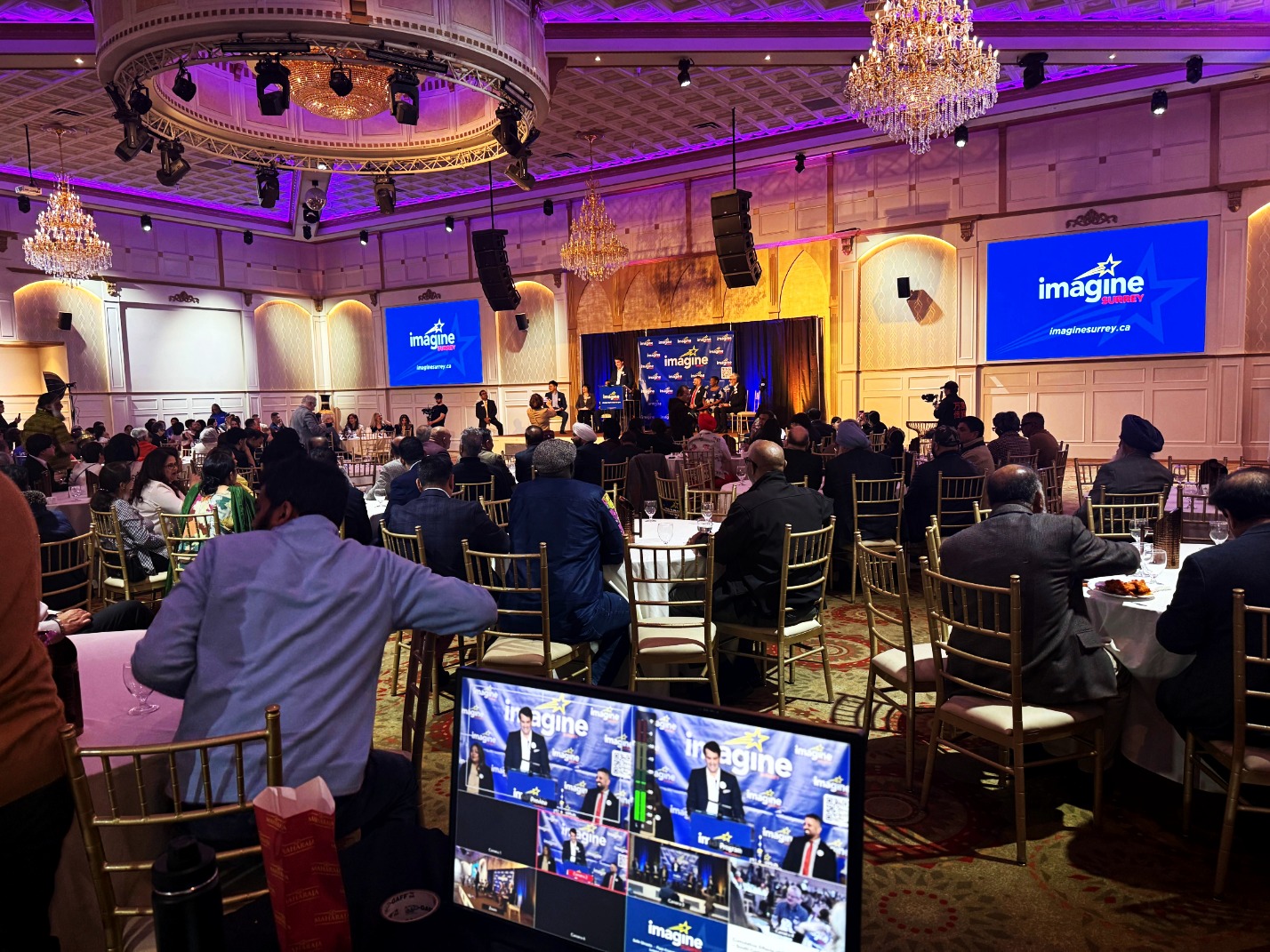
One of the biggest advantages of multi-camera coverage is that it allows the production to match the energy and flow of the event. A wide shot can establish the room. A tighter shot can focus attention on a speaker. A different angle can help transition between moments more naturally.
That variety gives the audience a better experience. It helps viewers stay engaged and creates a production that feels more like a real event broadcast instead of a fixed security-style feed.
It Supports Clearer Communication
Live events often depend on people being able to clearly see who is speaking, follow visual content, and understand the structure of the program. Multi-camera production supports that by letting the technical team show the right shot at the right time.
When that is combined with graphics, lower thirds, and presentation playback, the result feels much more organized and easier to follow.
It Works Best When Audio and Video Are Planned Together
A professional livestream is never just a camera decision. It depends just as much on clean audio, reliable playback, and strong technical coordination. If the sound is inconsistent or the media support is disorganized, even great camera work will not save the event experience.
That is why the best livestream productions are built as complete systems. Camera coverage, audio integration, playback, stream delivery, and recording all need to work together.
It Helps the Event Work for Both In-Person and Remote Audiences
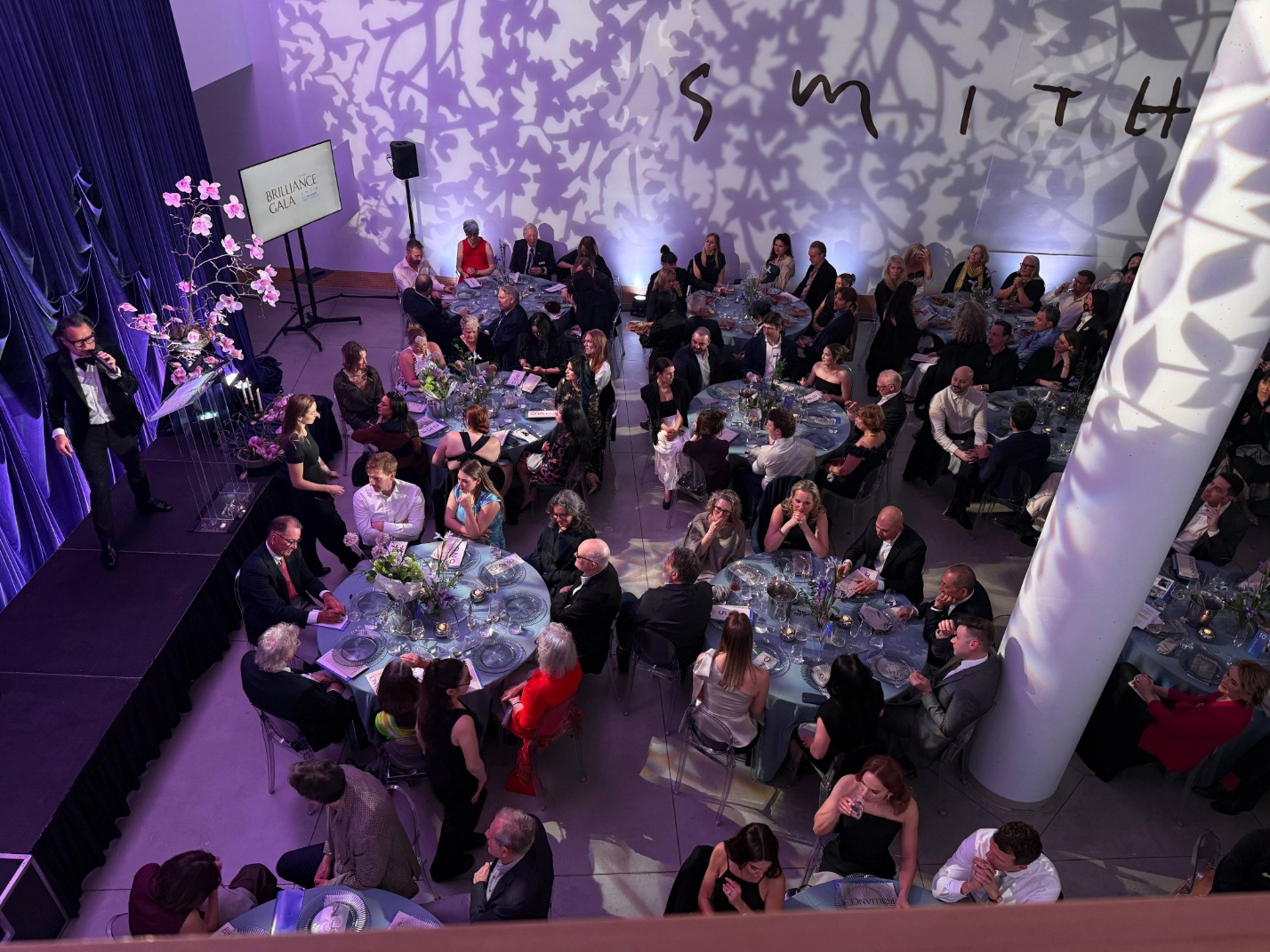
Many events now have two audiences at once: the people in the room and the people watching remotely. That creates a new production challenge. The event has to feel smooth live in person while also translating well on screen.
A multi-camera setup helps bridge that gap. It creates a better remote experience without taking away from the in-room event. When paired with good technical direction, it helps both audiences feel like the event was built for them.
It Gives the Client a Stronger End Result
Beyond the live moment, a professionally produced event can also create longer-term value. When the program is well captured and properly recorded, the content can often be reused for recap videos, internal distribution, future promotion, or archive purposes.
That makes professional production support more than just an event-day decision. It can also improve the value of the event after it ends.
The Real Difference Is Coordination
At the end of the day, the biggest difference between a basic livestream and a professional one is coordination. A strong production team is not just operating cameras. They are managing timing, media, transitions, audio, stream reliability, and the overall technical flow of the event.
That is what helps a live event feel polished.
If your event needs to support both the room and the stream, it is worth thinking beyond the minimum setup. The production quality will shape how the event is experienced, remembered, and reused afterward.
For professional livestream and AV support, learn more here:
https://www.streamcity.ca/
https://www.streamcity.ca/live-streaming-services/
https://www.streamcity.ca/form/
https://www.streamcity.ca/blog/
https://www.streamcity.ca/blog/category/blog/
https://www.streamcity.ca/blog/category/case-studies/