Introduction
Hybrid events don’t fall apart because hybrid is complicated. They fall apart when responsibilities get assumed instead of assigned.
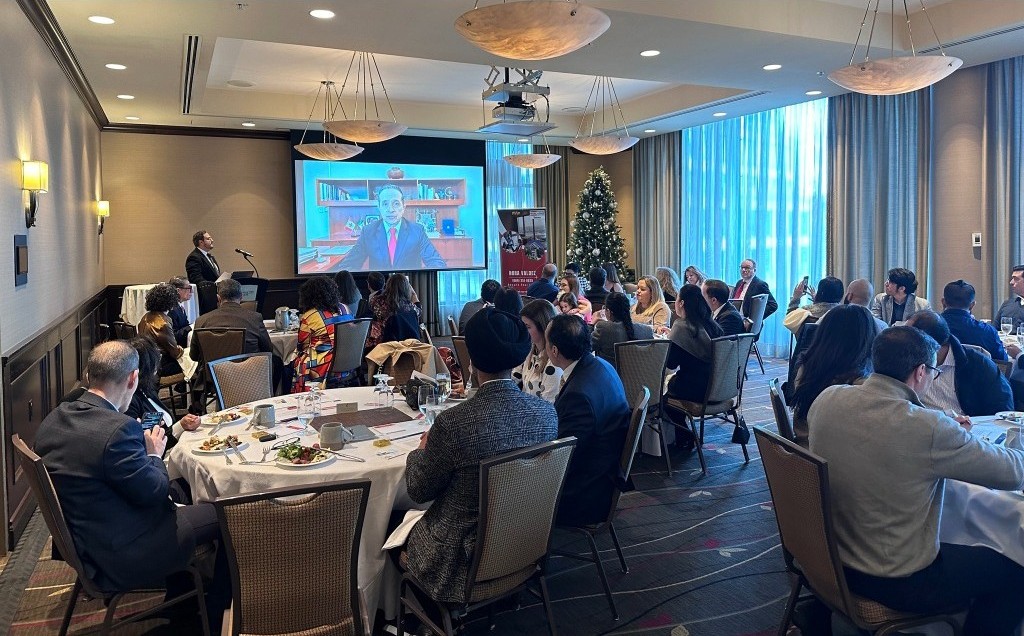
Hybrid is two audiences at once. The room needs clear sound and pacing. Remote attendees need clean audio, stable video, and active platform management. If ownership isn’t clear, small gaps show up at the worst time.
This guide covers the assumptions that create risk in Vancouver hybrid events and what to confirm early to keep the day predictable.
What a Hybrid Event Is in Practical Terms
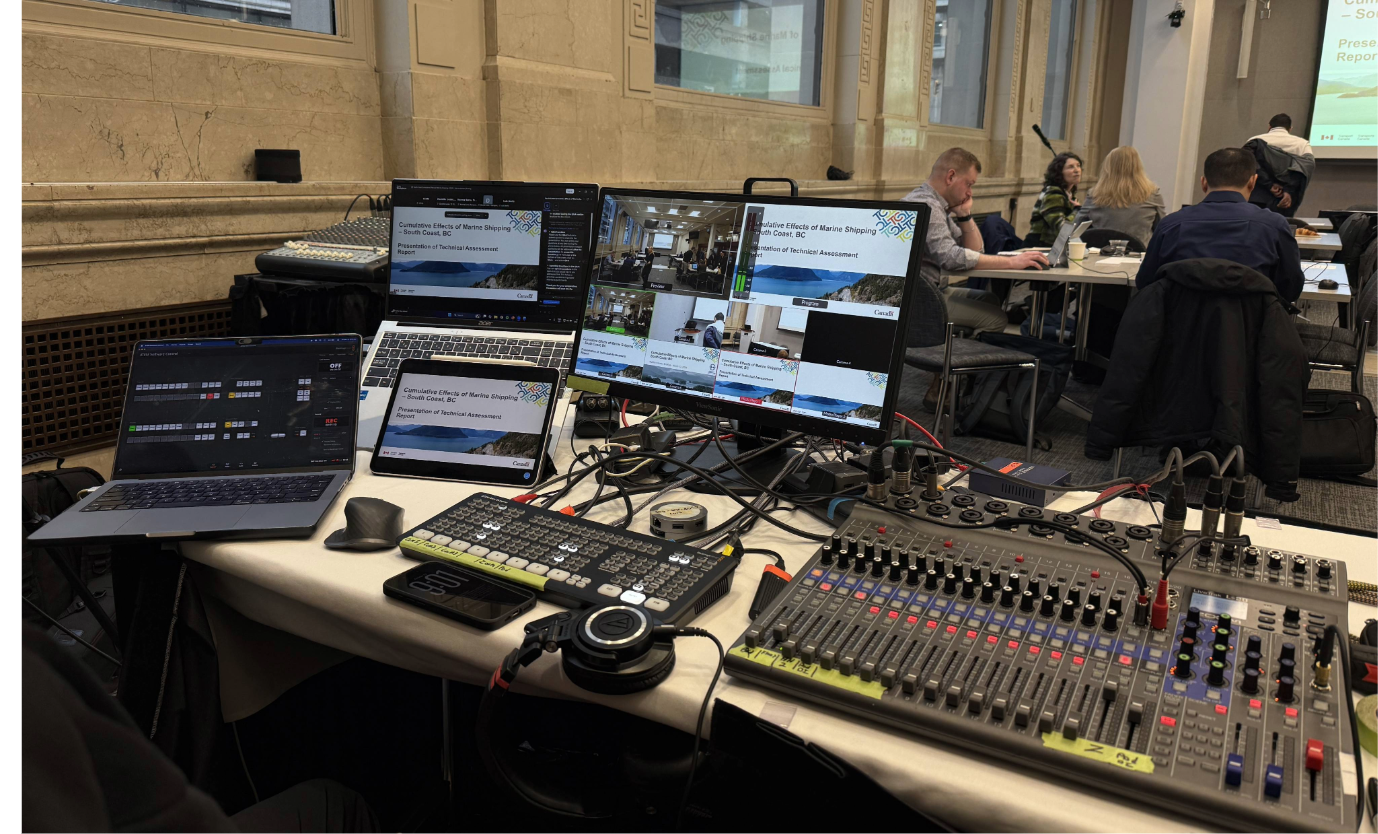
A hybrid event combines an in-person audience and remote audience into one program. That usually includes:
-cameras capturing the room
-a platform such as Zoom or a webinar tool
-audio routed for both room and remote audiences
-slides and playback visible to both audiences
-real-time interaction such as Q&A
Hybrid is not simply “streaming a room.” It’s managing two experiences at once.
Assumption 1: Venue Wi-Fi Is Good Enough
Many venues offer Wi-Fi, but hybrid depends on stable upload and low variability. The right question isn’t “is there internet?” It’s:
-is there a hardwired option
-where does it land
-can it be tested under realistic conditions
Assumption 2: Room Audio Will Translate to Remote Attendees
Room audio and stream audio are different. Without deliberate routing, remote attendees often hear:
-inconsistent levels
-echo or room wash
-unclear speech
Hybrid audio needs to be planned for the remote listener, not just the room.
Assumption 3: Q&A Will “Just Work”
Hybrid Q&A needs a defined workflow. If nobody owns it:
-remote questions get missed
-the room can’t hear remote participants
-the host loses pacing
Define:
-who moderates online questions
-how questions get surfaced to the room
-how remote audio returns into the room
-how in-room questions are captured
Assumption 4: “Filming” Is the Same as “Recording”
Some clients mean a clean program recording. Others expect multi-angle coverage and an archive-ready deliverable. Clarifying this early prevents scope creep and last-minute changes.
What to Confirm Before You Lock Anything In
Confirm:
-hardwired internet option and a realistic test window
-audio routing plan designed for remote attendees
-defined Q&A workflow and ownership
-clear recording expectations and deliverable type
-rehearsal or pre-check window to validate the full flow
Takeaway
Hybrid becomes reliable when ownership is clear. Venues provide infrastructure. Hybrid still needs a workflow that covers platform monitoring, routing, and Q&A handoffs so both audiences stay connected.
If your program includes remote participation, online Q&A, or recording needs, we can help you scope it cleanly and execute it with clear ownership.
https://www.streamcity.ca/
https://www.streamcity.ca/live-streaming-services
/https://www.streamcity.ca/form/