A Practical Guide for Organizers Who Want In-Person Impact and Online Reach
Introduction: Why This Blog Exists
Hybrid events are here to stay.
What started as a pandemic workaround has now become a go-to format for conferences, town halls, awards nights, pitch competitions — you name it.
But just because hybrid is “normal” now, doesn’t mean it’s easy to pull off.
The challenge?
You’re running two events at once: one in the room, one online — and both audiences deserve your full attention.
This guide breaks down:
• What a hybrid event really needs behind the scenes
• Common mistakes we help clients avoid
• How to make the experience feel connected — not disjointed
What a Hybrid Event Actually Is (and Isn’t)
Let’s clear up a myth:
A hybrid event isn’t just pointing a camera at the stage and hitting “Go Live.”
A true hybrid experience is:
• Thoughtfully produced for both audiences
• Built with platform and audio/visual integration in mind
• Designed to make everyone feel involved — not like an afterthought
What You Need to Do It Right
Here’s what goes into a strong hybrid setup:
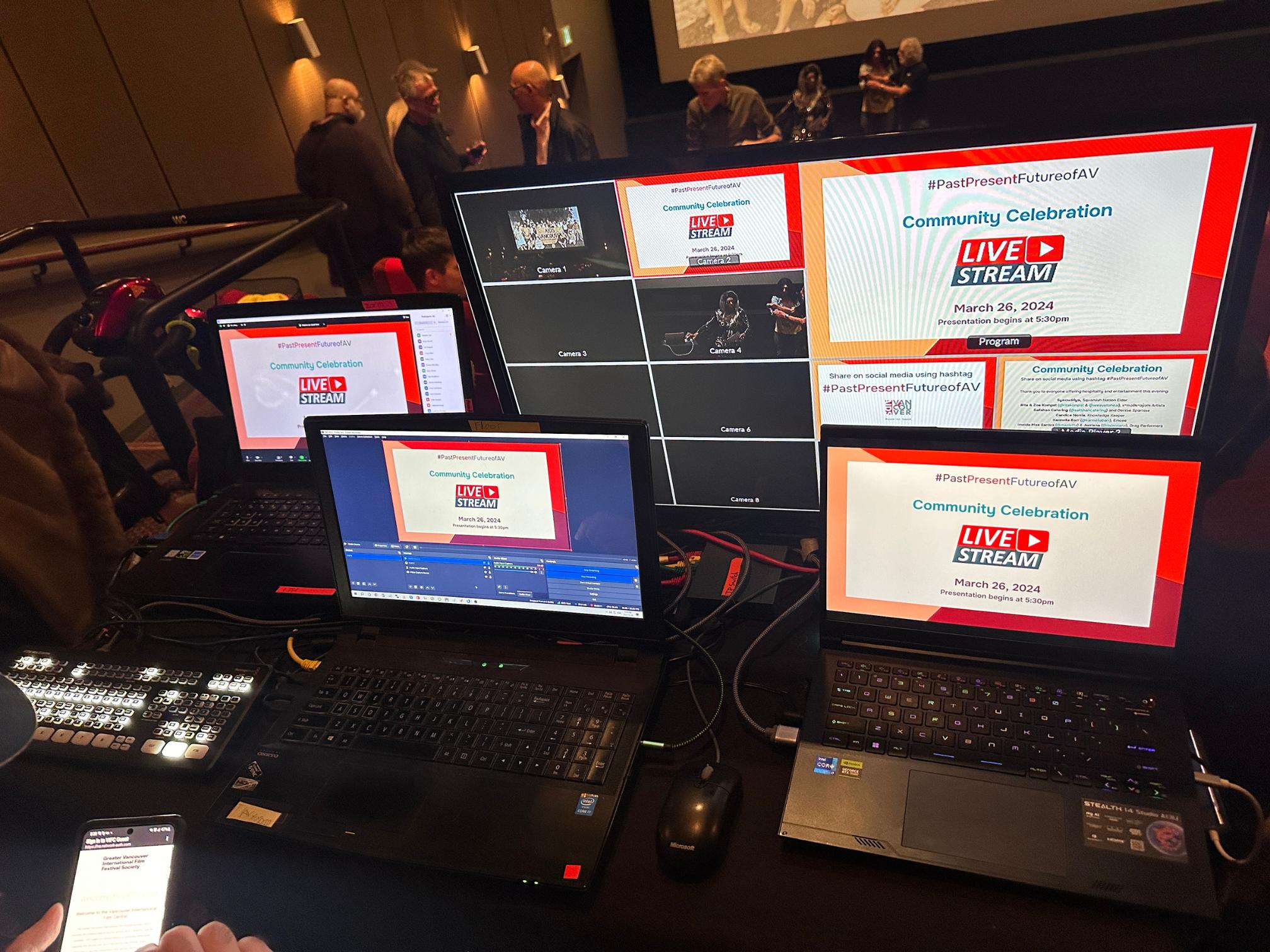
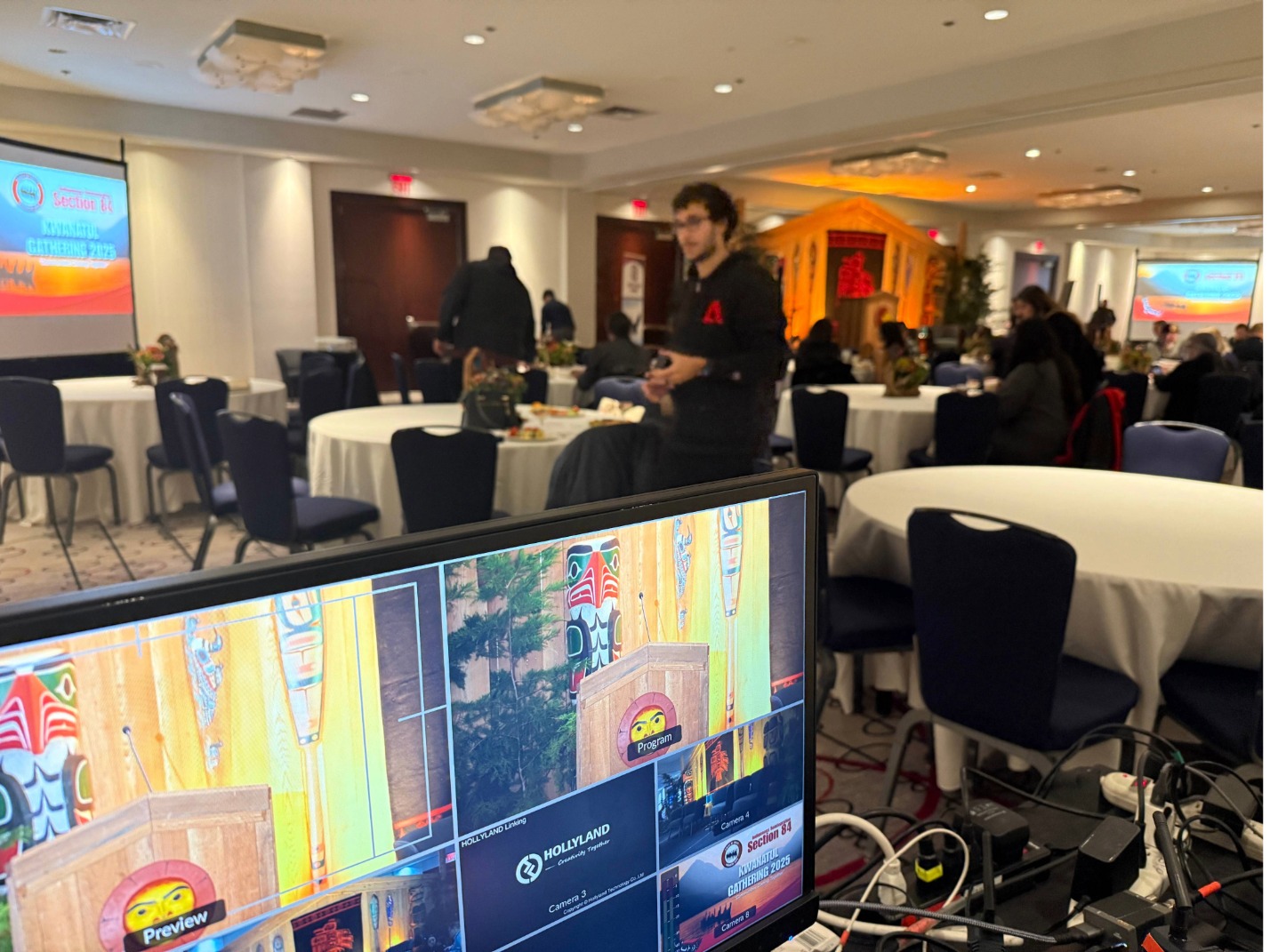
1. Multi-Camera Livestreaming
Online viewers need to feel like they’re there.
That means switching between wide shots, speaker close-ups, audience reactions, and media inserts — not just one static angle.
2. Clean Audio for Both Audiences
This is non-negotiable.
In-room: Clear mics and a balanced sound mix
Online: Audio that’s clean, synced, and monitored throughout
We often set up separate mixes to ensure both sides hear what they need to.
3. Slides, Videos, and Media Playback
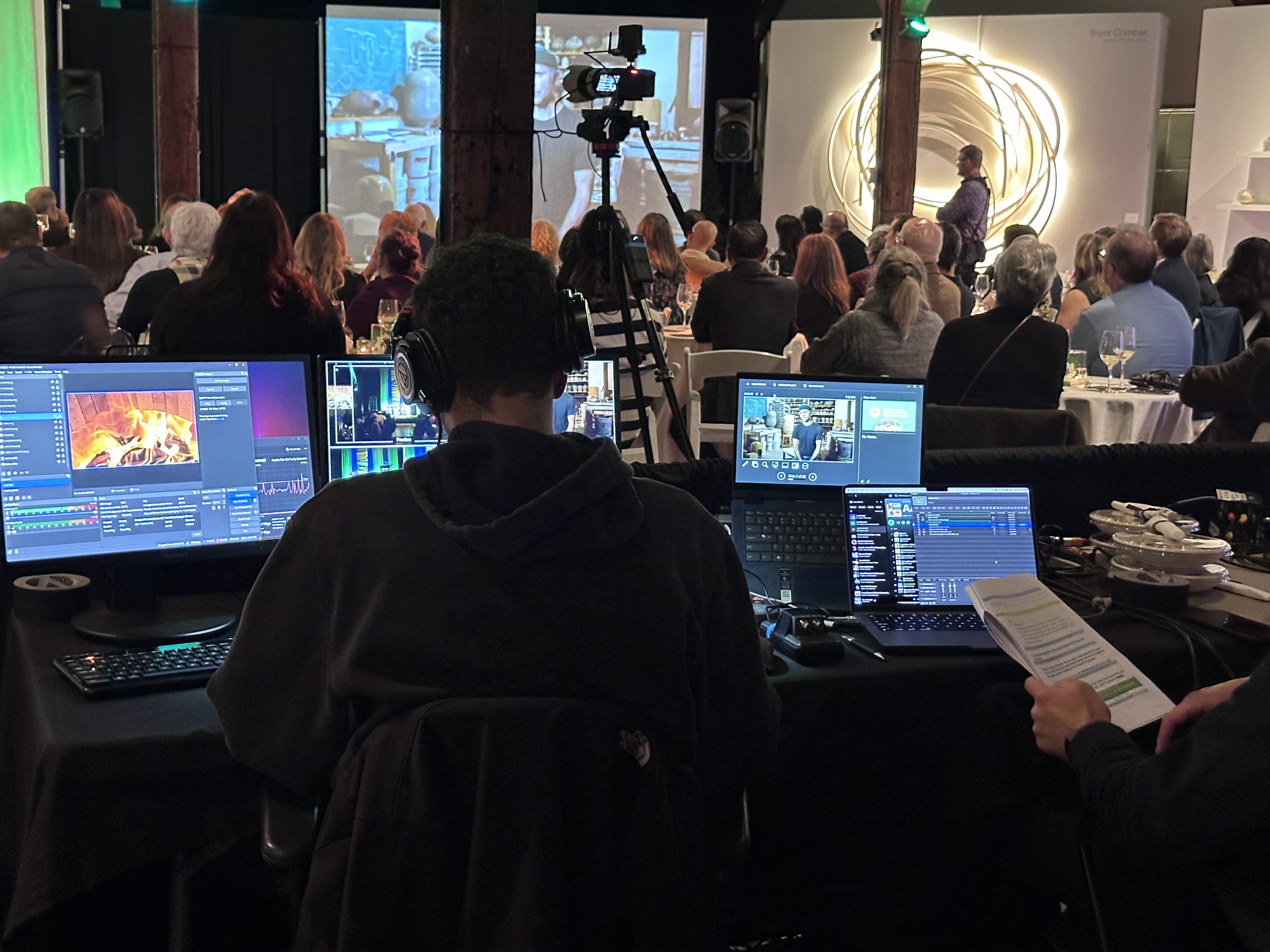
You can’t just rely on screen-sharing — it won’t cut it.
All media needs to be preloaded into the broadcast software and timed with the live show flow.
4. Backstage Support for Online Guests
We help virtual speakers or remote panelists connect securely, test their gear, and guide them through the process — live.
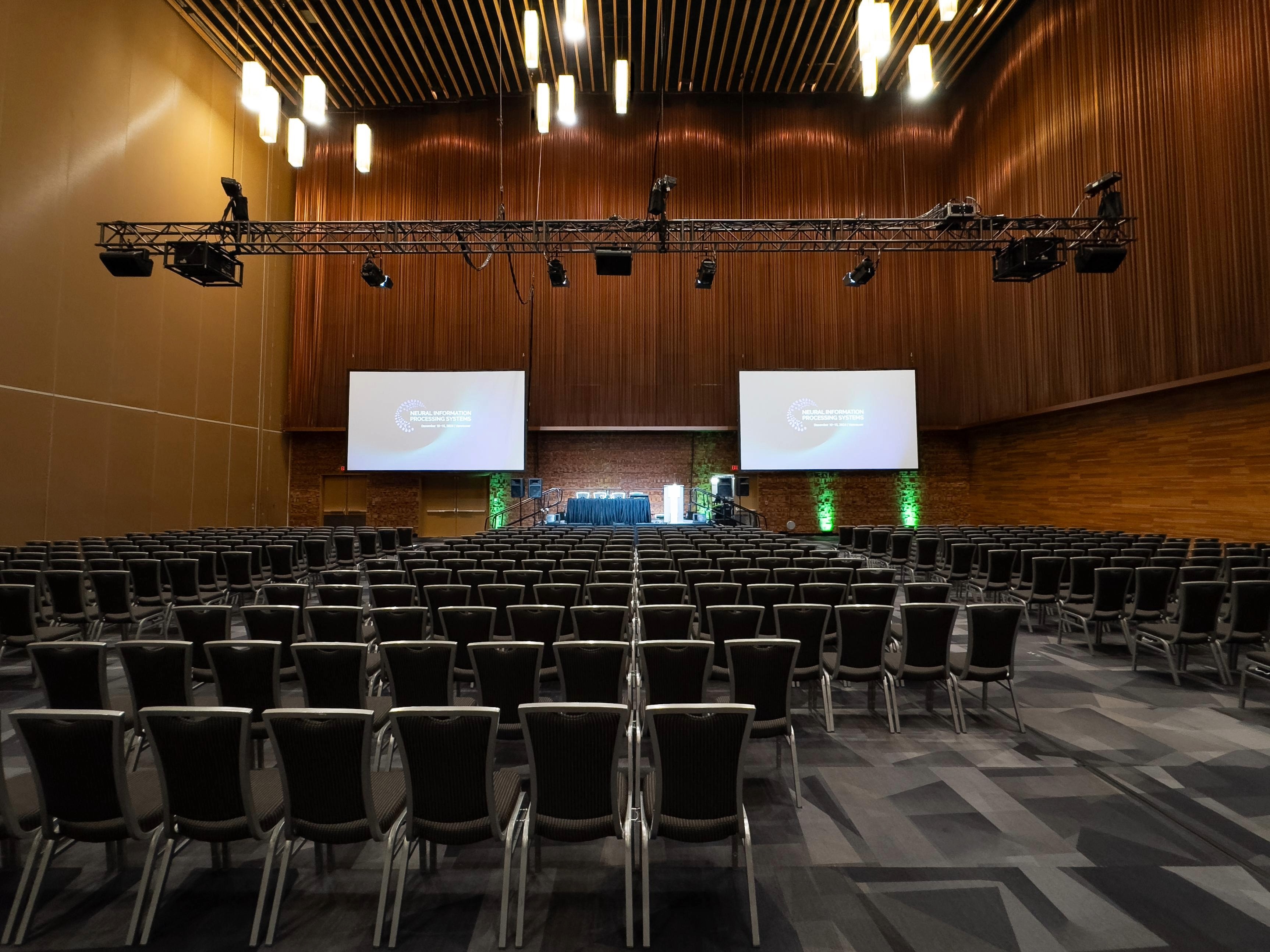
5. In-Venue Projection and Audio Feeds
Your in-person guests still need to see remote guests on a big screen, hear them clearly, and experience the flow without delay.
Common Pitfalls We Help Clients Avoid
Here’s where hybrid events usually fall apart — and how we prevent that:
• No test run before show day
We do a tech check and full dry run with all platforms.
• One mic trying to do it all
We deploy multiple mics, mixers, and backups.
• Livestream audience can’t see slides or media
We integrate all media into the stream directly — no screen-sharing.
• No cueing system for remote guests
We provide a backstage operator who communicates with them live.
Real-World Example: Sweet Adelines Barbershop Contest
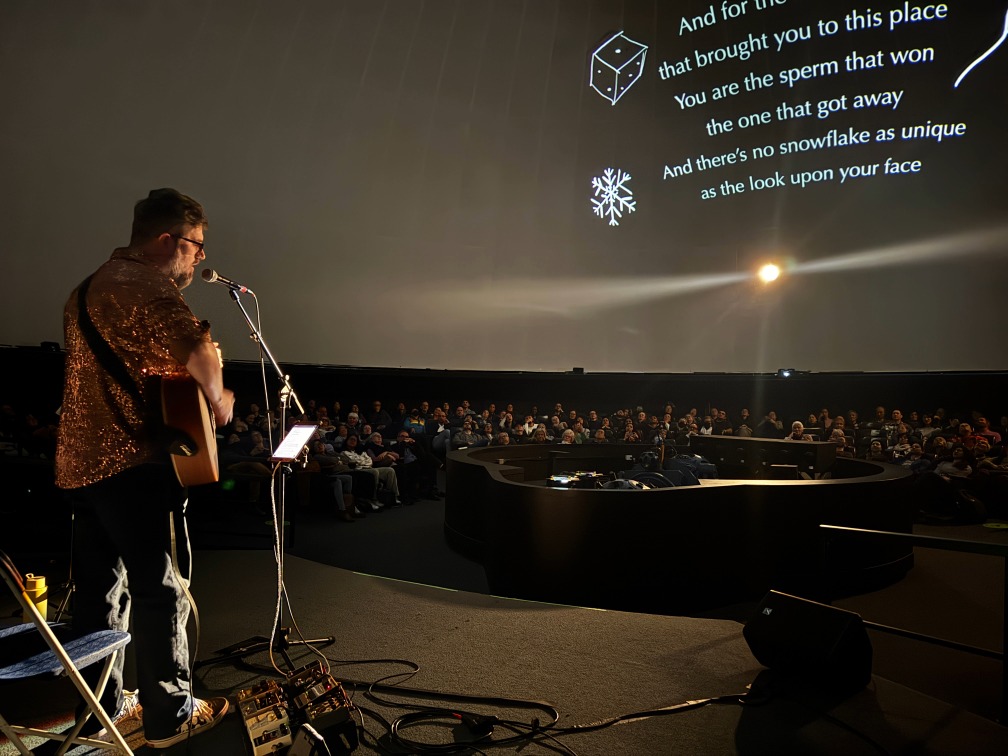
At this multi-day vocal competition in Surrey, we supported both a live in-theatre audience and a large remote one.
Here’s what our hybrid approach included:
• 3-camera livestream setup with switching
• Broadcast to Vimeo and Zoom simultaneously
• Slides and pre-recorded content queued into the livestream
• Wireless mics and clean audio mix for online viewers
• In-venue projection synced with the broadcast feed
• Post-event recording with chapter markers for later use
By thinking ahead and managing both “rooms,” we helped the organizers focus on what mattered most: the experience.
FAQs
Can’t we just use Zoom for hybrid?
Zoom’s great for interaction — but not production. We use it as part of a larger setup (via OBS, switchers, and
integrated audio).
How do I budget for a hybrid event?
We recommend allocating for:
• AV team
• Platform access
• Pre-event planning
• On-site tech crew
Hybrid setups are flexible — we help you scale based on your priorities.
What’s the ideal lead time?
4–6 weeks is best, but we’ve helped clients pull off hybrid events in less time with focused prep.
Final Takeaway
Hybrid events aren’t temporary — they’re the new standard.
And done right, they can double your reach and deepen your impact.
At StreamCity.ca, we make sure both audiences get the full experience — not a patchy broadcast or an awkward
Zoom call.
Let’s make your next event connect beyond the room.
Click here to book your free consultation.